
Skip to content

Deciding to break free from opioid dependence can be one of the most important decisions you make for your health and future. At the same time, taking that first step can bring serious questions. What happens during detox? Will withdrawal be overwhelming? Is rapid opiate detox appropriate for you? What happens after the detox process is finished? For people who are new to addiction treatment, understanding the answers can make recovery feel more manageable. Rapid opiate detox is a specialized medical approach designed for eligible patients, but it should be viewed as the beginning of a broader recovery plan that can include addiction treatment, mental health care, and individualized aftercare.

What Is Rapid Opiate Detox?

Rapid opiate detox is a medically supervised procedure intended to accelerate opioid detoxification. According to information published by Rapid Drug Detox, the process uses carefully monitored sedation and medications while healthcare professionals monitor the patient's condition throughout treatment.

For someone considering treatment, an important distinction is that detox and recovery are not the same thing. Detox focuses primarily on physical dependence and the process of moving away from opioid use. Recovery addresses the larger picture, including emotional health, behaviors, relationships, triggers, coping skills, and the circumstances that may have contributed to addiction.

Therefore, a successful detox should lead into an appropriate continuing care plan.

Is Rapid Opiate Detox Right for You?

There is no universal treatment approach for opioid addiction. What works for one person may not be appropriate for another. A professional evaluation is essential before deciding whether rapid opiate detox is a suitable option.

Your Medical History Matters

Before treatment, healthcare professionals can review your opioid use history, current medications, physical health, and relevant medical conditions. This information helps the treatment team evaluate whether rapid detox is medically appropriate and identify factors that may affect your care.

Be completely honest during this assessment. Tell your providers about the opioids you use, how frequently you use them, when you last used them, other substances or medications you take, and any significant health concerns.

Accurate information gives your treatment team a better foundation for making informed clinical decisions.

Mental Health Should Be Considered

Opioid addiction can exist alongside depression, anxiety, trauma, chronic stress, and other mental health concerns. These issues can affect substance use and may also influence the recovery process.

For that reason, mental health should be part of the conversation from the beginning. Identifying emotional or psychological concerns early can help create a more comprehensive treatment plan.

What Happens Before Rapid Opiate Detox?

The recovery process begins before the actual detox procedure.

Start With a Comprehensive Evaluation

A thorough evaluation gives your care team an opportunity to understand your physical and emotional health. It also gives you an opportunity to ask questions.

Before moving forward, ask about the procedure, medical supervision, potential risks, recovery expectations, and what continuing treatment will look like.

You should feel comfortable understanding the purpose of the treatment and the reasons it may or may not be appropriate for you.

Follow Preparation Instructions Carefully

If you are approved for treatment, your medical team will provide specific preparation instructions. These instructions may involve medications, food, fluids, or other aspects of preparation.

Do not rely on general advice from friends, websites, or social media when preparing for a medical procedure. Follow the instructions provided by your qualified healthcare professionals.

What Happens During Rapid Opiate Detox?

Medically Monitored Sedation

Rapid Drug Detox describes its procedure as taking place under carefully monitored sedation while medications facilitate opioid withdrawal. The patient remains in a controlled medical environment throughout the process.

The purpose of medical supervision is to allow professionals to monitor the patient's condition rather than requiring the individual to navigate opioid detoxification without appropriate clinical support.

Continuous Monitoring

During treatment, medical professionals monitor important indicators such as breathing, heart function, blood pressure, oxygen levels, and overall condition.

This monitoring is an important part of responsible medical care. Rapid detox should never be attempted independently or recreated outside of an appropriate clinical setting.

What Should You Expect After Detox?

Completing detox can be an important milestone, but your recovery does not end when the procedure does.

Recovery and Stabilization

After detox, the body continues adjusting to functioning without opioids. Some people may experience temporary fatigue, sleep changes, emotional sensitivity, or other symptoms during this period. Continued professional support can help patients understand what they are experiencing and determine when additional medical attention may be necessary.

This stage is also an opportunity to begin focusing on the bigger goal: creating a life that supports long term recovery.

Detox Is Only the Beginning

A faster detox does not automatically eliminate cravings, emotional triggers, unhealthy patterns, or the circumstances that contributed to addiction.

That is why continuing treatment matters.

Counseling, behavioral support, relapse prevention education, and mental health services can help you develop practical tools for handling stress, recognizing triggers, managing difficult emotions, and responding to cravings.

Inpatient and Outpatient Treatment Options

The right level of continuing care depends on your individual needs.

When Inpatient Care May Help

Inpatient treatment provides a structured environment where patients can focus on recovery while receiving ongoing professional and therapeutic support.

For some people, stepping away from familiar triggers and daily pressures can make it easier to concentrate on healing and establish healthier routines.

Inpatient care may also provide greater structure for individuals who need more intensive support.

When Outpatient Care May Be Appropriate

Outpatient treatment allows patients to participate in professional addiction and mental health services while continuing to live at home.

This approach can offer flexibility for people who need to balance treatment with family, work, education, or other responsibilities.

The goal is not to choose the most intensive option automatically. Instead, treatment should match the individual's clinical needs, circumstances, and recovery goals.

Addressing Mental Health During Recovery

Treating More Than Addiction

Recovery can become more sustainable when mental health concerns are addressed alongside substance use.

Individual counseling and behavioral therapy can help patients explore the emotional patterns connected to opioid use. Treatment may also help people identify triggers, manage stress, process difficult experiences, and develop healthier coping strategies.

This whole person perspective recognizes that addiction affects more than the body. It can influence thoughts, emotions, relationships, confidence, and daily decision making.

Exploring Holistic and Faith Based Support

For many people, recovery involves rebuilding their physical, emotional, mental, and spiritual well being.

Holistic Approaches

Holistic care can complement traditional addiction treatment by supporting healthy routines, stress management, mindfulness, nutrition, emotional balance, and overall wellness.

These practices are not substitutes for appropriate medical or behavioral treatment. Instead, they can become additional tools that help people create a healthier lifestyle.

Faith Based Guidance

For individuals who value spirituality, faith based support can provide encouragement, hope, and a renewed sense of purpose.

Spiritual support can be incorporated according to the individual's beliefs and preferences. For some patients, reconnecting with faith can become a meaningful part of rebuilding their identity and motivation during recovery.

How to Prepare for Your Recovery Journey

If you are preparing for rapid opiate detox, a few practical steps can help you approach treatment with greater confidence.

Ask Questions

Do not be afraid to ask your treatment team direct questions. You deserve to understand what treatment involves and what will happen afterward.

Ask about medical supervision, recovery expectations, continuing care, mental health services, and relapse prevention.

Be Honest About Your Needs

Recovery works best when your care team has accurate information. Be open about your substance use, physical health, medications, emotional concerns, and recovery goals.

There is no benefit to hiding information because you are embarrassed or worried about being judged. Professional treatment is designed to help, not shame you.

Think Beyond Detox

Before treatment begins, consider what you will need after detox.

Will you benefit from inpatient care? Would outpatient treatment provide the structure you need? Do you need mental health counseling? Would holistic or faith based support be meaningful to you?

Thinking about these questions early can help make the transition into continuing care smoother.

Build a Support Network

Recovery can feel difficult when you try to handle everything alone. Trusted family members, friends, counselors, and treatment professionals can provide encouragement and accountability.

A strong support system can also give you people to contact when stress or cravings become difficult to manage.

Take the First Step With Professional Support

Breaking free from opioids is not simply about getting through detox. It is about building the skills, support, stability, and confidence needed to maintain recovery after detox is over.

Rapid opiate detox may provide an important starting point for eligible patients, but lasting recovery requires continued attention to addiction, mental health, relationships, daily routines, and personal well being. Rapid Drug Detox describes an individualized approach that can extend from medically supervised detox to addiction treatment, mental health services, inpatient or outpatient care, holistic support, and faith based guidance.

If opioid addiction has begun affecting your health, relationships, work, or sense of control, you do not have to wait until everything feels manageable before asking for help. Start with a conversation. A qualified professional can evaluate your circumstances, explain your treatment options, and help you understand what the next step could look like.

Recovery begins with a decision to seek help. With compassionate care, appropriate medical supervision, and a personalized treatment plan, that decision can become the foundation for a healthier and more hopeful future.
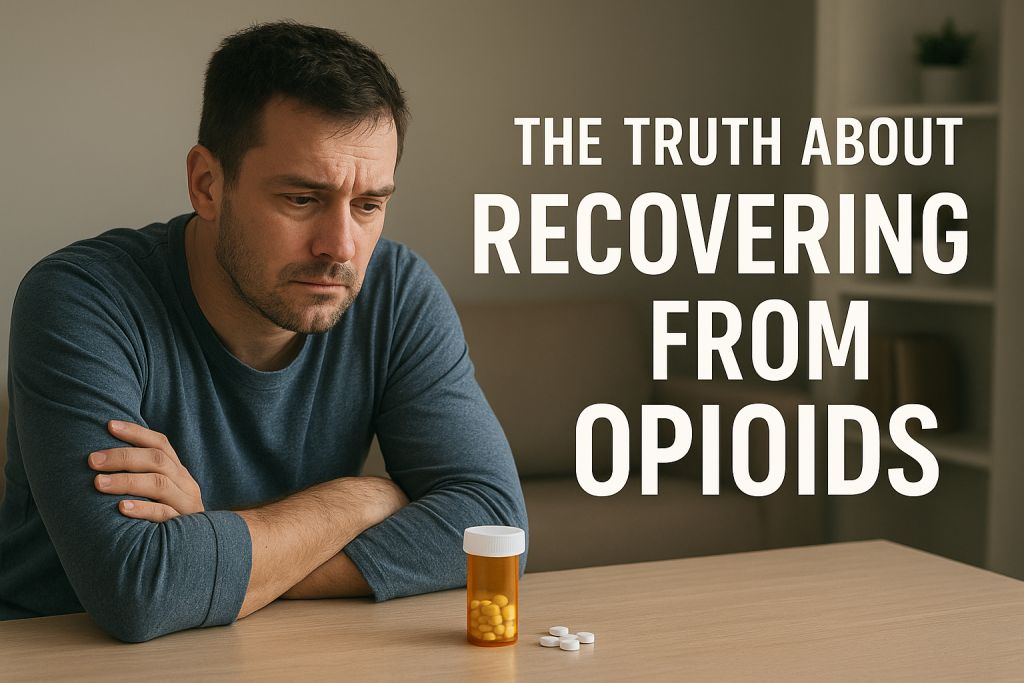

Choosing recovery from opioid addiction can be both courageous and overwhelming. If you are considering treatment for the first time, you may have questions about withdrawal, rapid opiate detox, medical supervision, and what happens after detox is complete. Understanding the process can make treatment feel less uncertain and help you make informed decisions about your care. Rapid opiate detox is a specialized medical approach that may help appropriate patients move through opioid detoxification under professional supervision. However, detox is only the beginning. Lasting recovery also requires personalized addiction treatment, mental health support, healthy coping strategies, and a thoughtful aftercare plan.

Understanding Opioid Dependence

Opioids can create powerful physical and psychological dependence. Over time, the body may adapt to the presence of opioids, making it difficult to stop using them without experiencing withdrawal symptoms.

For someone who has never entered treatment before, this can feel discouraging. You may want to stop using opioids but worry about what will happen when you do.

That is why professional support can make such an important difference.

Why Withdrawal Can Be Difficult

Opioid withdrawal may involve symptoms such as muscle aches, sweating, nausea, diarrhea, restlessness, anxiety, sleep difficulties, and strong cravings. The experience varies from person to person, depending on factors such as the substance used, duration of use, amount used, overall health, and other medications or substances involved.

Trying to manage opioid withdrawal alone can be challenging. A professional evaluation provides an opportunity to discuss your history and determine which treatment options may be appropriate.

What Is Rapid Opiate Detox?

Rapid opiate detox is a specialized procedure intended to accelerate opioid detoxification. It is performed in a medical setting with professional monitoring and the use of medications and sedation as part of the procedure.

The exact approach should always be determined by qualified medical professionals. Rapid detox is not appropriate for everyone, and a thorough evaluation is an important first step.

Detox Is Not the Same as Recovery

One of the most important things for a new patient to understand is that detox does not treat every aspect of addiction.

Detox focuses primarily on physical dependence and withdrawal. Addiction recovery is broader. It may involve counseling, behavioral treatment, mental health care, family support, relapse prevention, lifestyle changes, and ongoing recovery services.

In other words, completing detox does not mean treatment is finished. It means you have reached an important starting point.

What Happens Before Rapid Opiate Detox?

Preparation begins with an assessment of your individual needs.

Medical Assessment

Your treatment team may review your opioid use, medical history, current medications, mental health concerns, and other relevant health information.

Be honest during this process. Information that may seem insignificant can be important when professionals are determining whether a particular detox approach is appropriate.

Discuss Your Treatment Goals

Your goals matter. Some people want to regain stability at home. Others need a structured treatment environment. Some may need additional mental health services or support for trauma, anxiety, depression, or other concerns.

A personalized discussion helps your care team understand what you hope to accomplish through treatment.

What Can You Expect During Rapid Opiate Detox?

Rapid detox involves medical supervision throughout the procedure. Depending on the individual's treatment plan, medications may be used to help manage opioid withdrawal while the patient is under sedation.

Medical Monitoring Is Essential

Because detox can affect the body in significant ways, professional monitoring is an important part of appropriate care.

Patients should never attempt to reproduce a rapid detox procedure independently or use medications without medical direction. Detox protocols require clinical judgment, appropriate screening, and professional oversight.

Recovery After the Procedure

After the procedure, your body still needs time to adjust. You may experience tiredness or other temporary physical or emotional changes.

Your healthcare team can provide individualized guidance about what to expect and what steps should follow.

Why Aftercare Matters

The period after detox is one of the most important parts of the recovery journey. Without continued support, returning to familiar environments, stressors, or patterns of substance use can create challenges.

Aftercare provides ongoing structure and accountability.

Addiction Counseling

Counseling can help you identify the situations, emotions, and thought patterns associated with opioid use. It can also teach practical coping skills for cravings, stress, relationships, and difficult emotions.

Over time, these skills can become an important foundation for maintaining recovery.

Relapse Prevention

Relapse prevention is not about assuming that someone will fail. It is about preparing for difficult situations before they occur.

A strong plan may identify personal triggers, early warning signs, healthy responses to cravings, supportive people to contact, and steps to take when additional help is needed.

Choosing Between Inpatient and Outpatient Care

After detox, the appropriate level of treatment depends on your circumstances.

Inpatient Treatment

Inpatient care provides a structured setting where patients can focus on recovery while receiving ongoing professional support. This can be helpful for individuals who need greater stability, structure, or distance from environments associated with substance use.

A structured setting can also provide more opportunities to participate in counseling and other recovery activities.

Outpatient Treatment

Outpatient treatment allows patients to receive professional care while continuing to live at home. This may provide greater flexibility for people who have responsibilities involving employment, education, or family.

The right choice should be based on an individualized clinical assessment rather than a one size fits all approach.

Treating Mental Health Alongside Addiction

Opioid addiction and mental health concerns can overlap. Anxiety, depression, trauma, chronic stress, and other emotional difficulties may influence substance use and recovery.

Why Dual Support Is Important

If underlying mental health concerns are ignored, recovery can become more difficult. Treatment that addresses both addiction and emotional well being can help patients develop healthier ways to manage distress.

Mental health counseling can provide space to explore difficult experiences, recognize patterns, and develop practical coping skills.

At Rapid Drug Detox, addiction recovery and mental health support can be considered as parts of a broader, individualized approach to care.

Supporting Recovery Through Holistic Care

Recovery involves more than stopping opioid use. It also involves rebuilding daily routines, confidence, relationships, and physical and emotional well being.

Whole Person Wellness

Holistic approaches can complement traditional addiction treatment by encouraging healthy routines and practices that support overall wellness.

Depending on the individual's needs and treatment plan, this may include attention to stress management, emotional balance, healthy habits, mindfulness, and personal wellness.

The purpose is to help patients build a life that supports recovery rather than simply focusing on avoiding substances.

Faith Based Support and Personal Meaning

For some people, spirituality and faith are meaningful parts of healing.

Finding Hope and Purpose

Faith based recovery support can provide encouragement, connection, hope, and a renewed sense of purpose for individuals who want spirituality included in their treatment experience.

This type of support should remain consistent with the patient's personal beliefs and goals. When integrated appropriately, spiritual care can become one component of a comprehensive recovery plan.

How to Prepare for Aftercare

Thinking about aftercare before detox can make the transition easier.

Build a Support System

Identify people who genuinely support your recovery. This may include family members, trusted friends, counselors, or other supportive individuals.

You do not have to disclose everything to everyone. However, having reliable people you can contact during difficult moments can make recovery feel less isolating.

Plan for Triggers

Consider the places, people, emotions, and situations that may increase cravings. Then discuss strategies for handling them with your treatment team.

Small changes can make a meaningful difference. Avoiding high risk situations, establishing healthy routines, and staying connected to treatment can all support long term recovery.

Follow Your Continuing Care Plan

Aftercare works best when you remain engaged. Attend recommended appointments, participate in counseling, take prescribed medications as directed, and communicate openly with your providers about challenges.

If something is not working, speak up. Treatment plans can be adjusted as your needs change.

Take Your First Step Toward Recovery

For someone new to opioid recovery, rapid opiate detox can seem like a complicated process. The reality is that you do not need to understand every part of treatment before reaching out. A qualified treatment professional can help you understand your options, evaluate your needs, and determine an appropriate path forward.

Rapid Drug Detox takes an individualized approach that can incorporate addiction recovery services, mental health treatment, inpatient and outpatient care, holistic support, and faith based approaches. Detox can address an important physical part of opioid dependence, but aftercare is what helps turn that first step into a sustainable recovery journey.

If opioid use is affecting your health, relationships, work, or sense of control, consider reaching out for professional guidance. Asking for help is not a sign of weakness. It is a practical decision to protect your future.

Recovery does not require you to have everything figured out today. It starts with one honest conversation, one informed decision, and one step toward a healthier life.

Deciding to seek help for opioid addiction is a major step, especially when you are considering treatment for the first time. You may be worried about withdrawal, uncertain about what rapid opiate detox involves, or wondering what happens after detox is complete. Those concerns are understandable. The more you know before treatment, the easier it can be to approach recovery with realistic expectations and confidence. Rapid opiate detox is a medically supervised approach that may help eligible patients address physical opioid dependence while beginning a broader recovery plan. At Rapid Drug Detox, the approach emphasizes individualized care, medical supervision, mental health support, and continued treatment rather than viewing detox as the entire recovery process.

What Is Rapid Opiate Detox?

Rapid opiate detox is a specialized medical procedure intended to accelerate opioid detoxification in a controlled clinical environment. Rapid Drug Detox describes a process involving sedation and medications designed to facilitate opioid withdrawal while the patient remains under professional medical supervision.

For someone new to treatment, it is important to understand that rapid detox is not a cure for opioid addiction. Detox addresses the physical aspect of dependence. Long term recovery also requires attention to mental health, behaviors, relationships, triggers, coping skills, and other factors that can influence substance use.

That is why the best recovery plans look beyond the first stage of treatment.

Is Rapid Opiate Detox Right for Everyone?

There is no single approach that works for every person with opioid dependence. Before considering rapid opiate detox, a qualified medical team should evaluate your health and treatment needs.

A Medical Evaluation Comes First

A comprehensive evaluation may include a review of your opioid use history, current medications, physical health, and existing medical conditions. This information helps the treatment team determine whether rapid detox is an appropriate option for you.

Be open and honest during this assessment. Information about what opioids you use, how frequently you use them, when you last used them, and any other substances or medications you take can be important for safe treatment planning.

Mental Health Matters Too

Opioid addiction can occur alongside depression, anxiety, trauma, chronic stress, and other mental health concerns. For that reason, addressing emotional and psychological health should be part of the recovery conversation.

A mental health assessment can help identify concerns that may require counseling or additional treatment after detox.

What Should Beginners Expect Before Treatment?

The period before detox is an opportunity to learn, prepare, and ask questions.

Understand the Treatment Process

Knowing what will happen can reduce some of the uncertainty associated with entering treatment. Your medical team should explain the procedure, preparation requirements, monitoring, recovery period, and recommended continuing care.

Do not rely on general information from the internet to make decisions about medications or preparation. Follow the specific instructions provided by your healthcare professionals.

Create an Individualized Treatment Plan

Recovery looks different for every patient. A personalized plan considers your health, substance use history, emotional needs, and recovery goals.

This approach is important because successful addiction treatment is not simply about getting opioids out of the body. It is also about helping you develop a sustainable plan for life after detox.

What Happens During Rapid Opiate Detox?

Medical Sedation and Medication

According to Rapid Drug Detox, rapid opiate detox is performed under sedation while medications are used to facilitate opioid withdrawal. Patients remain in a controlled medical environment while professionals monitor their condition.

This medical oversight is especially important for first time patients who may be unfamiliar with the physical effects of opioid withdrawal and detoxification.

Continuous Monitoring

Medical professionals monitor the patient's condition throughout the procedure. Afterward, monitoring continues as the body begins adjusting to the absence of opioids.

Patients may experience temporary changes such as fatigue, sleep disruption, or emotional sensitivity during the recovery period. Your care team can explain which symptoms are expected and when additional medical attention may be necessary.

What Happens After Rapid Opiate Detox?

Completing detox is an important accomplishment, but it is only the beginning of recovery.

Continued Addiction Treatment

Once physical dependence has been addressed, ongoing treatment can focus on the psychological and behavioral aspects of addiction.

Counseling and recovery services can help you identify triggers, understand patterns of substance use, develop healthier coping strategies, and create a relapse prevention plan.

This continued support is essential because removing opioids from the body does not automatically remove the reasons a person became dependent on them.

Inpatient and Outpatient Care

The right level of continuing treatment depends on individual needs.

Inpatient care can provide a structured environment for people who need a higher level of support. Outpatient care can offer greater flexibility for individuals who are able to continue treatment while managing work, family, school, or other responsibilities.

The goal is to match treatment with the patient's circumstances rather than assuming everyone needs the same type of care.

Mental Health Treatment Can Strengthen Recovery

Addressing Underlying Challenges

Recovery becomes more sustainable when mental health concerns are treated alongside addiction.

Therapy can help patients work through difficult experiences, manage anxiety or depression, recognize triggers, and develop healthier responses to stress. Addressing these issues can also help patients understand why opioid use became part of their lives in the first place.

At Rapid Drug Detox, mental health support is presented as part of a broader whole person approach to recovery.

Holistic and Faith Based Support

Recovery is about more than physical detoxification. It can also involve rebuilding confidence, relationships, routines, emotional stability, and personal purpose.

Holistic Approaches

Holistic care may support healthy lifestyle habits, stress management, mindfulness, emotional balance, and overall wellness. These practices can complement traditional addiction treatment and help patients develop healthier ways to care for themselves.

Faith Based Recovery

For people who value spirituality, faith based support can provide an additional source of hope, encouragement, and purpose.

Spiritual support should complement individualized clinical care while respecting the patient's personal beliefs and goals.

Questions to Ask Before Starting Rapid Detox

If you are considering rapid opiate detox, asking questions can help you make a more informed decision.

Ask About Medical Care

Consider asking:

  • What evaluation will I need before treatment?
  • How will I be monitored during the procedure?
  • What should I expect during the recovery period?
  • What medical support is available if complications occur?
  • Am I medically appropriate for rapid detox?

Ask About What Comes Next

You should also understand the continuing recovery plan.

Ask about:

  • Addiction counseling
  • Mental health treatment
  • Inpatient and outpatient options
  • Relapse prevention
  • Aftercare
  • Family or support services
  • Holistic and faith based resources

A quality recovery plan should have a clear purpose beyond detoxification.

How Beginners Can Prepare for Recovery

A few practical steps can make the transition into treatment easier.

Be Honest With Your Care Team

Complete information allows healthcare professionals to understand your needs and develop appropriate treatment recommendations.

Prepare for Continued Care

Think about recovery beyond the detox procedure. Counseling, behavioral support, mental health treatment, and relapse prevention can all play important roles.

Build a Support Network

Trusted family members, friends, counselors, and other supportive people can make recovery less isolating. Having people who understand your goals can also help you stay accountable.

Give Yourself Time

Recovery does not happen overnight. Detox may address physical dependence, but rebuilding your health and daily life takes patience and consistent effort.

Take the First Step Toward Recovery

For beginners, the idea of rapid opiate detox can bring many questions. That is exactly why professional guidance matters. A thorough medical assessment can help determine whether rapid detox is appropriate, while individualized continuing care can address the deeper physical, emotional, and behavioral aspects of addiction.

Rapid Drug Detox emphasizes medically supervised detox alongside mental health support, addiction treatment, inpatient and outpatient care, holistic approaches, faith based support, and personalized aftercare.

If opioid addiction is affecting your life, you do not have to figure out the entire recovery process before asking for help. Start by having an honest conversation with qualified professionals about your health, your goals, and your treatment options.

Your first step does not have to be perfect. It simply needs to move you toward help. With appropriate medical care and a personalized recovery plan, you can begin working toward a healthier future with greater confidence and support.

For someone facing opioid addiction for the first time, deciding to seek treatment can bring relief, fear, and plenty of questions. What will detox feel like? Is rapid opiate detox appropriate for me? What happens after the procedure? These are important questions, and having clear answers can make the first step toward recovery feel much less intimidating. Rapid opiate detox is a medically supervised approach designed to help eligible patients address physical opioid dependence while receiving professional support. At Rapid Drug Detox, the focus extends beyond detoxification to individualized addiction treatment, mental health care, and continued support for lasting recovery.

What Is Rapid Opiate Detox?

Rapid opiate detox is a specialized medical procedure intended to accelerate the process of removing opioids from the body. According to the treatment information presented by Rapid Drug Detox, the procedure involves carefully monitored sedation and medications that help facilitate opioid detoxification.

The goal is to provide eligible patients with a medically supervised alternative to attempting opioid withdrawal without professional support. However, detox should not be confused with a complete addiction treatment program.

Detox addresses physical dependence. Long term recovery also requires attention to behaviors, emotional health, relationships, triggers, and the circumstances that can contribute to continued substance use.

Why Professional Support Matters for First-Time Patients

The first experience with addiction treatment can feel uncertain. Professional guidance provides structure and reassurance during a time when many people are unsure what to expect.

Medical Supervision

Rapid opiate detox takes place in a controlled medical setting. During the procedure, healthcare professionals monitor important indicators such as breathing, heart function, blood pressure, oxygen levels, and overall stability.

This monitoring is an important part of responsible detox care. It allows medical professionals to observe the patient's condition and respond to changes as needed.

Less Fear About Withdrawal

Fear of withdrawal can prevent people from seeking help. Knowing that medical professionals will oversee the detox process can make treatment feel more manageable.

For first-time patients, that sense of support can provide the confidence needed to move from considering treatment to actually beginning it.

What Happens Before Rapid Opiate Detox?

The recovery process begins before the detox procedure itself.

A Comprehensive Medical Evaluation

Before treatment, healthcare professionals review the patient's opioid use history, current medications, physical health, and relevant medical conditions. This assessment helps determine whether rapid opiate detox is appropriate for the individual.

Patients should be completely honest during this evaluation. Accurate information gives the medical team a better understanding of the patient's needs and helps support appropriate treatment planning.

Mental Health Assessment

Opioid addiction can occur alongside anxiety, depression, trauma, chronic stress, and other mental health concerns. Addressing these issues is an important part of developing a comprehensive recovery plan.

A mental health assessment can help identify concerns that may need attention during continued treatment.

What Happens During Rapid Opiate Detox?

Carefully Monitored Sedation

During the rapid detox procedure, patients are placed under carefully monitored sedation while medications facilitate the detoxification process. The procedure is performed under professional medical supervision.

For many first-time patients, understanding this process beforehand can reduce some of the uncertainty surrounding treatment.

Continuous Monitoring

Patient safety remains central throughout the procedure. Medical professionals monitor vital signs and overall condition while the patient undergoes detoxification.

This level of supervision is one reason patients should not attempt to replicate a rapid detox procedure outside of a qualified medical environment.

What Should Patients Expect After Detox?

Completing the detox procedure is an important milestone, but the body still needs time to adjust.

Recovery and Stabilization

After detox, patients may experience temporary fatigue, sleep changes, emotional sensitivity, or other symptoms as the body adapts to functioning without opioids. Continued medical support can help patients navigate this transition.

This period is also an opportunity to focus on what comes next.

Continued Addiction Treatment

Rapid opiate detox should be viewed as the beginning of recovery rather than the finish line. Counseling, behavioral support, relapse prevention education, and ongoing treatment can help patients develop practical strategies for maintaining sobriety.

The most important question after detox is not simply whether opioids have left the body. It is how the individual will build a sustainable life without relying on them.

Building a Personalized Recovery Plan

Every person has different reasons for using opioids, different health concerns, and different recovery goals. Treatment should reflect those differences.

Inpatient Care

Some patients benefit from a structured inpatient environment where they can receive ongoing therapeutic support away from everyday triggers and distractions.

This level of care can provide stability while patients focus on developing recovery skills and addressing underlying concerns.

Outpatient Care

Others may be appropriate for outpatient treatment. Outpatient care can provide counseling and recovery services while allowing patients to continue managing work, family, education, or other responsibilities.

The appropriate level of care should be determined according to individual circumstances and professional recommendations.

Treating Mental Health Alongside Addiction

Addressing Underlying Challenges

Recovery becomes more sustainable when emotional and psychological concerns are addressed alongside substance use.

Individual counseling, behavioral therapy, and other mental health services can help patients understand patterns associated with addiction, identify triggers, manage difficult emotions, and develop healthier coping strategies.

For someone beginning recovery, this whole-person approach can be especially valuable because it focuses on more than simply stopping opioid use.

Holistic and Faith Based Support

Recovery can involve physical, emotional, mental, and spiritual growth.

Holistic Approaches

Holistic care may support healthy routines, stress management, mindfulness, nutrition, emotional balance, and overall wellness. These approaches can complement traditional addiction treatment and help patients develop healthier ways of caring for themselves.

Faith Based Guidance

For people who value spirituality, faith based support can provide encouragement, hope, and a renewed sense of purpose.

Spiritual care is not about forcing a particular belief system. Instead, it can offer an additional source of strength for individuals who want their faith to be part of their recovery experience.

How First-Time Patients Can Prepare

A little preparation can make the beginning of treatment feel more manageable.

Ask Questions

Before treatment, ask your care team about the procedure, medical monitoring, recovery expectations, and recommended continuing care.

Share Complete Information

Tell your medical team about your opioid use, medications, health conditions, and any other relevant concerns. Accurate information supports safer and more individualized care.

Think Beyond Detox

Consider what you will need after detox. Counseling, inpatient or outpatient treatment, mental health services, family support, and relapse prevention planning can all play important roles in long term recovery.

Accept Support

You do not need to handle everything alone. Trusted family members, friends, counselors, and treatment professionals can provide encouragement during difficult moments.

Start Recovery With Confidence

For first-time patients, rapid opiate detox can provide an important starting point for overcoming physical opioid dependence under professional medical supervision. However, lasting recovery requires more than detoxification. It requires continued care, personal commitment, emotional healing, and practical support.

Rapid Drug Detox describes an individualized approach that can extend from medically supervised detox into addiction treatment, mental health care, inpatient or outpatient services, holistic support, and faith based guidance.

If you or someone you love is struggling with opioid addiction, you do not need to know exactly what the entire recovery journey will look like before asking for help. The first step can simply be a conversation with qualified professionals who can evaluate your situation and explain your options.

Recovery starts with making that first decision. With compassionate care, appropriate medical supervision, and a personalized plan, first-time patients can move forward with greater confidence and begin building a healthier future.

Deciding whether to seek treatment for opioid addiction can be difficult, especially when you are considering a detox approach you may not fully understand. Questions about withdrawal, medical safety, treatment options, and what happens after detox are completely reasonable. Rapid opiate detox is a specialized medical procedure that may help eligible patients move through the physical detoxification process more quickly, but choosing treatment should always begin with an informed conversation with qualified medical professionals. At Rapid Drug Detox, the approach described on the website emphasizes individualized care, medical supervision, mental health support, and continued recovery planning.

What Is Rapid Opiate Detox?

Rapid opiate detox is a medically supervised approach designed to accelerate opioid detoxification while managing withdrawal in a controlled clinical setting. According to Rapid Drug Detox, the procedure involves sedation and medications that help facilitate withdrawal while medical professionals monitor the patient.

However, it is important to understand what rapid detox can and cannot accomplish.

Detox addresses the physical component of opioid dependence. It does not, by itself, resolve the psychological, emotional, or behavioral factors that can contribute to addiction. For that reason, detox should be viewed as one part of a broader recovery plan rather than a standalone cure.

Is Rapid Opiate Detox Right for You?

There is no single treatment that is appropriate for everyone. A responsible decision starts with a thorough medical evaluation.

Your Medical History Matters

Before treatment, healthcare professionals need to understand your opioid use, current medications, overall health, and relevant medical history. This information helps determine whether a particular detox approach is appropriate for you.

Be completely honest during your assessment. Details about the type of opioid used, how often you use it, when you last used it, and other substances or medications you take can be important to your care.

Mental Health Should Be Part of the Conversation

Opioid addiction can occur alongside depression, anxiety, trauma, and other mental health challenges. Rapid Drug Detox describes its evaluation process as including attention to co-occurring mental health conditions.

This matters because recovery is easier to sustain when underlying emotional and psychological concerns are addressed instead of overlooked.

What Happens Before Rapid Detox?

Step 1: Comprehensive Evaluation

The first stage is an assessment of your physical and emotional health. Your care team can use this information to determine whether rapid detox is medically appropriate and develop an individualized treatment plan.

This is also your opportunity to ask questions. You should understand the procedure, potential risks, recovery expectations, and recommended follow-up care before making a decision.

Step 2: Preparing for Treatment

Once a treatment plan has been established, your medical team will provide instructions for preparing for the procedure. Following those instructions carefully is an important part of maintaining safety.

Do not make assumptions about medications, food, fluids, or opioid use before treatment. Instead, follow the specific instructions provided by your healthcare professionals.

What Happens During Rapid Opiate Detox?

Medical Sedation and Medication

Rapid Drug Detox describes its procedure as taking place under sedation, with medications used to facilitate opioid withdrawal. The patient remains in a controlled medical environment while professionals monitor their condition.

The purpose is to manage the physical detoxification process with professional oversight rather than asking a person to navigate severe withdrawal alone.

Monitoring and Recovery

Medical monitoring continues after the procedure as the body begins adjusting to the absence of opioids. Patients may still experience temporary symptoms or changes in how they feel during this transition.

Your care team can explain what is expected and when additional medical attention may be necessary.

What Are the Potential Benefits?

For appropriate candidates, rapid opiate detox may offer several practical advantages. Rapid Drug Detox highlights a shorter detox process, medical supervision, reduced withdrawal discomfort, and a structured starting point for continued recovery.

At the same time, it is important to keep expectations realistic. A faster detox does not automatically mean an easier lifelong recovery. The work that follows detox is critical.

Why Continued Treatment Matters

Mental Health Treatment

Once physical dependence has been addressed, recovery can focus more deeply on the emotional and psychological aspects of addiction.

Therapy and counseling can help you recognize triggers, manage stress, process difficult experiences, and develop healthier ways to respond to cravings. Rapid Drug Detox describes mental health and emotional support as an important part of its whole-person approach.

Inpatient and Outpatient Support

The appropriate level of continuing care depends on individual circumstances. Some people may benefit from the structure of inpatient treatment, while others may be appropriate for outpatient services.

The goal is to match treatment intensity with the person's needs rather than assuming everyone requires the same path.

Holistic and Faith Based Care

Recovery involves more than physical health. Holistic practices can support wellness, stress management, emotional balance, and healthier routines. For individuals who value spirituality, faith based guidance can also become a meaningful source of hope and purpose.

Rapid Drug Detox describes individualized plans that may incorporate holistic practices, mindfulness, spiritual support, and aftercare.

Questions to Ask Before Choosing Rapid Detox

If you are researching rapid opiate detox, do not hesitate to ask direct questions before committing to treatment.

Ask About Medical Safety

Find out:

  • What evaluation is required before treatment?
  • Who will provide and monitor the sedation?
  • How are medical complications handled?
  • What should you expect during the recovery period?
  • What factors could make rapid detox inappropriate for you?

Ask About the Recovery Plan

Detox should lead somewhere. Ask:

  • What treatment is recommended after detox?
  • Are mental health services available?
  • What inpatient or outpatient options are available?
  • How is relapse prevention addressed?
  • What does aftercare look like?
  • How will the treatment plan be personalized?

These questions can help you compare options based on the quality and continuity of care, not simply the speed of detox.

Making an Informed Decision About Rapid Opiate Detox

Choosing treatment is a personal decision, and you deserve accurate information before moving forward. Rapid opiate detox may be an option for some people with opioid dependence, but medical eligibility, individual health, and the availability of appropriate follow-up treatment all matter.

Most importantly, do not let fear of withdrawal keep you from asking for help. A professional evaluation can give you clearer answers about your options and help you understand what the next step should be.

Recovery Begins With the Right Support

Rapid opiate detox can address an important physical barrier to recovery, but lasting change requires continued attention to the mind, body, emotions, and daily life. Rapid Drug Detox presents its approach as individualized and supportive, with medical detox followed by mental health care, holistic support, and personalized aftercare options.

If you are thinking about rapid opiate detox, take the time to ask questions, understand your options, and discuss your situation with qualified professionals. You do not have to have every answer before reaching out. The first conversation can simply be about learning what treatment may be appropriate for you.

A healthier future can begin with one informed decision. When you are ready, reaching out for professional guidance can help you take that first step toward recovery with greater clarity, confidence, and support.

Beginning the journey toward recovery from opioid addiction can feel overwhelming, especially if you are unsure what treatment involves. Many first time patients worry about withdrawal symptoms, the detox process, and whether recovery is truly possible. The good news is that professional treatment can make the experience safer, more comfortable, and more successful. Rapid opiate detox offers eligible patients a medically supervised way to overcome physical opioid dependence while providing a strong starting point for long term healing. At Rapid Drug Detox, every patient receives compassionate, individualized care that combines medical expertise, mental health support, and comprehensive addiction treatment to help build a healthier future.

What Is Rapid Opiate Detox?

Rapid opiate detox is a specialized medical procedure designed to help qualified patients eliminate opioids from their bodies in a shorter period than traditional detox methods. The procedure is performed under carefully monitored sedation while medications help remove opioids from the body's receptors.

Because patients remain under continuous medical supervision throughout the process, much of the physical discomfort associated with withdrawal can be significantly reduced. However, rapid detox is only the beginning of recovery. Long term success depends on continuing treatment that addresses both addiction and the emotional factors that contribute to substance use.

Why Professional Detox Matters

Many people attempt to stop using opioids on their own, only to discover that withdrawal symptoms become overwhelming. Detoxing without medical support can increase the likelihood of returning to opioid use before recovery truly begins.

Professional detox offers several important benefits:

  • Continuous medical monitoring
  • Improved patient safety
  • Personalized treatment planning
  • Support for withdrawal management
  • Immediate access to experienced healthcare professionals

Most importantly, professional care provides encouragement during one of the most challenging stages of recovery.

Your Recovery Journey Begins With a Personalized Assessment

Medical Evaluation

Before rapid opiate detox begins, every patient undergoes a comprehensive medical assessment. This evaluation includes reviewing opioid use history, current medications, physical health, and any medical conditions that may affect treatment.

The purpose of this evaluation is to determine whether rapid detox is an appropriate option while developing an individualized treatment plan.

Mental Health Screening

Opioid addiction often occurs alongside mental health conditions such as anxiety, depression, trauma, or chronic stress.

Identifying these concerns early allows treatment professionals to create a more complete recovery plan that supports emotional healing as well as physical recovery.

Understanding the Rapid Opiate Detox Process

Preparing for Treatment

Preparation begins with education. Patients receive detailed information about the detox procedure, what to expect before treatment, and how recovery will continue afterward.

Understanding each step helps reduce uncertainty and allows patients to approach treatment with greater confidence.

Medically Supervised Detox

During rapid opiate detox, patients receive carefully monitored sedation while medications accelerate the detoxification process.

Throughout the procedure, experienced medical professionals continuously monitor breathing, heart function, blood pressure, oxygen levels, and overall health.

This careful supervision helps create a safe environment where patients can begin overcoming physical opioid dependence under expert care.

Recovery After Detox

Following the procedure, patients remain under medical observation as the body begins adjusting to functioning without opioids.

Although rapid detox significantly shortens the detoxification process, some temporary symptoms such as fatigue, sleep disturbances, or emotional changes may still occur during recovery.

Medical staff continue providing support to help patients transition comfortably into the next phase of treatment.

Detox Is Only the Beginning

Successfully completing detox is a major accomplishment, but maintaining recovery requires continued care.

Addiction Treatment Services

Long term recovery focuses on identifying the behaviors, habits, and emotional challenges that contribute to addiction.

Professional addiction treatment provides education, counseling, relapse prevention strategies, and practical coping skills that help patients maintain sobriety.

Inpatient and Outpatient Care

Every patient's recovery needs are unique. Some individuals benefit from the structure and support provided by inpatient treatment, while others may continue recovery through outpatient programs that allow them to balance treatment with work, family, or school responsibilities.

Both options offer valuable therapeutic services that reinforce healthy recovery.

Healing the Mind Alongside the Body

Mental Health Treatment

Addressing mental health is an essential part of successful addiction recovery. Individual counseling, behavioral therapy, and group support help patients understand the emotional patterns connected to substance use.

Treating both addiction and mental health conditions together often leads to stronger recovery outcomes and improved quality of life.

Holistic Healing Approaches

Holistic care recognizes that recovery involves more than physical detoxification. Many patients benefit from wellness focused therapies that encourage healthy living, stress management, mindfulness, proper nutrition, and emotional balance.

These complementary therapies strengthen overall well being while supporting long term sobriety.

Faith Based Support

For individuals who value spiritual guidance, faith based care can become an important source of comfort during recovery.

Spiritual encouragement often helps patients rediscover hope, strengthen resilience, and build a renewed sense of purpose as they move forward in sobriety.

Practical Tips for First Time Patients

If you are preparing for rapid opiate detox, these simple recommendations can help make the process easier:

Learn About Your Treatment

Understanding how rapid detox works can reduce fear and improve confidence before treatment begins.

Be Honest With Your Care Team

Sharing complete information about your medical history and opioid use allows healthcare professionals to provide the safest and most effective care possible.

Stay Committed After Detox

Recovery continues long after physical detox is complete. Participating in counseling, support groups, and follow up treatment significantly improves the likelihood of lasting sobriety.

Lean on Your Support System

Family members, trusted friends, counselors, and recovery professionals all play valuable roles in helping patients stay motivated throughout recovery.

Take the First Step Toward Lasting Recovery

Choosing to seek treatment is one of the most important decisions you can make. Although beginning recovery may feel intimidating, you do not have to face it alone.

At Rapid Drug Detox, patients receive compassionate, individualized care that addresses every aspect of recovery. Through medically supervised rapid opiate detox, comprehensive addiction treatment, mental health services, inpatient and outpatient care, holistic therapies, and faith based support, each patient is given the opportunity to heal physically, emotionally, and spiritually.

Recovery begins with one courageous decision. If you or someone you love is ready to break free from opioid addiction, contact Rapid Drug Detox today to learn how personalized treatment can help you begin a safer path toward lifelong recovery.

Making the decision to seek treatment for opioid addiction is a courageous first step, but it is natural to have questions about what comes next. If you are new to rapid opiate detox, understanding the recovery process can help reduce uncertainty and make the journey feel more manageable. Recovery is not simply about stopping opioid use. It is about restoring your physical health, improving your emotional well being, and building a strong foundation for a healthier future. At Rapid Drug Detox, every patient receives compassionate, individualized care through medically supervised detox, comprehensive addiction treatment, mental health support, and ongoing recovery planning designed to promote lasting success.

What Is Rapid Opiate Detox?

Rapid opiate detox is a specialized medical procedure that helps eligible patients safely eliminate opioids from their bodies in a shorter time than traditional detox methods. The procedure is performed under medical supervision while the patient is sedated, allowing medications to accelerate the detoxification process and reduce much of the physical discomfort associated with withdrawal.

Although rapid detox can help patients overcome physical opioid dependence more quickly, it is not a complete solution on its own. Successful recovery also requires continued therapy, mental health care, lifestyle changes, and relapse prevention strategies.

The First Step Begins With a Comprehensive Assessment

Understanding Your Medical History

Before treatment begins, every patient completes a detailed medical evaluation. Healthcare professionals review opioid use history, current medications, physical health, and any medical conditions that could affect treatment.

This careful assessment ensures that rapid opiate detox is an appropriate option and allows the care team to develop a treatment plan tailored to the patient's individual needs.

Evaluating Emotional and Mental Health

Addiction often affects both physical and emotional health. Many individuals struggling with opioid dependence also experience depression, anxiety, trauma, or other mental health concerns.

A complete mental health evaluation helps identify these challenges early so they can be addressed alongside addiction treatment. Treating both conditions together often leads to stronger long term recovery outcomes.

Preparing for Rapid Opiate Detox

Learning About the Process

Understanding what will happen during treatment helps many patients feel more comfortable before detox begins. Medical professionals explain each step of the procedure, answer questions, and discuss what patients can expect during recovery.

Knowing what lies ahead helps reduce fear and allows patients to begin treatment with greater confidence.

Building a Personalized Care Plan

No two recovery journeys are exactly alike. Every patient receives an individualized treatment plan based on medical history, personal goals, and overall health.

This personalized approach supports safer treatment while creating a stronger foundation for continued recovery.

What Happens During Rapid Opiate Detox?

Medically Supervised Sedation

During the detox procedure, patients are carefully placed under sedation while medications help remove opioids from the body's receptors.

Because the procedure takes place in a controlled medical environment, healthcare professionals continuously monitor the patient's condition to ensure safety throughout the process.

Continuous Medical Monitoring

Patient safety remains the highest priority during rapid detox. Medical professionals monitor heart rate, blood pressure, breathing, oxygen levels, and other vital signs throughout treatment.

This close supervision provides peace of mind while reducing the risks associated with detoxification.

Recovery Does Not End After Detox

Completing rapid opiate detox is an important achievement, but it is only the beginning of the recovery journey.

Recovery and Stabilization

Following detox, patients enter a recovery period where the body continues adjusting to functioning without opioids. Some temporary fatigue, emotional changes, or mild discomfort may occur as healing begins.

Medical staff continue providing support and monitoring while helping patients transition into ongoing treatment.

Continued Addiction Treatment

Long term recovery requires continued participation in addiction treatment. Therapy, counseling, education, and relapse prevention planning help patients develop the skills needed to maintain sobriety.

Ongoing treatment also helps patients address the emotional and behavioral patterns connected to addiction.

Comprehensive Care Supports Lasting Recovery

Mental Health Treatment

Many individuals benefit from professional counseling that addresses both addiction and underlying mental health concerns. Individual therapy, group counseling, and behavioral therapies help patients build healthier coping skills while improving emotional well being.

Treating the whole person often leads to stronger recovery outcomes.

Inpatient and Outpatient Care Options

Depending on personal circumstances, patients may continue recovery through inpatient or outpatient programs.

Inpatient treatment provides a structured environment with continuous therapeutic support. Outpatient care offers flexibility while allowing patients to receive counseling and treatment alongside daily responsibilities.

Both levels of care help strengthen recovery and reduce the risk of relapse.

Holistic and Faith Based Support

Recovery involves healing the body, mind, and spirit. Holistic therapies may include wellness activities, nutritional support, mindfulness practices, and stress management techniques that improve overall well being.

For individuals seeking spiritual encouragement, faith based support can provide hope, purpose, and additional strength throughout the recovery process.

These complementary approaches help patients build balanced and meaningful lives beyond addiction.

Tips for Starting Recovery With Confidence

Beginning treatment may feel overwhelming, but a few simple steps can make the process easier:

  • Learn about your treatment options.
  • Ask questions during your medical evaluation.
  • Be honest about your health and substance use history.
  • Stay committed to ongoing therapy after detox.
  • Build a reliable support system that encourages recovery.

Recovery is a journey that becomes more manageable with professional guidance and consistent support.

Take the First Step Toward a Healthier Future

If you are new to rapid opiate detox, remember that you do not have to navigate recovery alone. Professional care can provide the safety, structure, and encouragement needed to begin healing with confidence.

At Rapid Drug Detox, every patient receives personalized treatment that extends beyond detoxification. Through medically supervised care, mental health services, inpatient and outpatient treatment options, holistic therapies, and faith based support, individuals are empowered to create lasting recovery and renewed hope.

The decision to seek help today can become the turning point that leads to a healthier future. Reach out to the experienced team at Rapid Drug Detox and take your first step toward lasting freedom from opioid addiction.

Making the decision to seek help for opioid addiction is a significant milestone, but it is also one that often comes with uncertainty. Many people wonder what rapid opiate detox involves, whether it is safe, and what recovery will look like afterward. Understanding the process before treatment can help reduce anxiety and give you the confidence to move forward. At Rapid Drug Detox, patients receive compassionate, individualized care in a medically supervised environment that prioritizes safety, comfort, and long term recovery. Whether you are exploring treatment for yourself or someone you love, learning the basics of rapid opiate detox is an important first step.

What Is Rapid Opiate Detox?

Rapid opiate detox is a specialized medical procedure designed to help eligible patients overcome physical opioid dependence in a shorter period of time than traditional detox methods. The procedure is performed under medical supervision while the patient is sedated, allowing medications to remove opioids from the body's receptors while minimizing much of the discomfort associated with withdrawal.

Although rapid detox can accelerate the physical detoxification process, it is not a complete addiction treatment program on its own. Lasting recovery requires continued support through counseling, mental health treatment, relapse prevention planning, and personalized recovery services.

Who May Benefit From Rapid Opiate Detox?

Rapid opiate detox may be appropriate for individuals who have developed physical dependence on opioids and are medically qualified for the procedure. Every patient is different, which is why a thorough medical evaluation is essential before treatment begins.

A professional assessment helps determine whether rapid detox is a safe option while identifying any physical or mental health conditions that should be addressed during recovery.

What Happens Before Treatment?

A Comprehensive Medical Evaluation

Every recovery journey begins with understanding the patient's overall health. Medical professionals carefully review opioid use history, current medications, existing medical conditions, and previous treatment experiences.

This evaluation helps create a personalized treatment plan that prioritizes patient safety while addressing individual recovery goals.

Mental Health Assessment

Addiction rarely exists by itself. Many individuals living with opioid dependence also struggle with anxiety, depression, trauma, or other emotional challenges.

Evaluating mental health allows the treatment team to recommend counseling and therapeutic services that support lasting recovery alongside physical detoxification.

Preparing for the Procedure

Patients receive detailed information about the detox process before treatment begins. Understanding each step helps reduce fear and allows patients to feel more comfortable about moving forward.

Open communication with the medical team also gives patients the opportunity to ask questions and discuss any concerns before the procedure.

What Happens During Rapid Opiate Detox?

Continuous Medical Supervision

Rapid opiate detox is performed in a carefully monitored medical setting where healthcare professionals continuously observe the patient's condition.

Vital signs, breathing, heart function, and overall stability are monitored throughout the procedure to ensure patient safety at every stage.

Sedation and Detoxification

During treatment, patients are placed under sedation while medications help remove opioids from the body's receptors.

Because patients remain under close medical care, much of the physical discomfort commonly associated with withdrawal is significantly reduced compared to attempting detox without professional supervision.

Recovery After Detox

Initial Recovery Period

Following the procedure, patients spend time recovering while medical professionals continue monitoring their progress.

Some temporary fatigue, emotional sensitivity, or mild discomfort may occur as the body adjusts to functioning without opioids. Ongoing medical support helps patients navigate this transition safely.

Planning the Next Phase of Recovery

Detox addresses physical dependence, but successful recovery requires continued care. Patients work with treatment professionals to develop a personalized recovery plan that supports long term sobriety.

This plan may include therapy, counseling, relapse prevention strategies, and continued addiction treatment.

The Importance of Comprehensive Addiction Treatment

Individualized Recovery Planning

No two people experience addiction in the same way. Personalized treatment allows care providers to address each patient's unique medical history, emotional needs, and personal recovery goals.

This individualized approach often leads to stronger engagement and better long term outcomes.

Inpatient and Outpatient Care

Depending on individual circumstances, patients may benefit from inpatient or outpatient treatment after detox.

Inpatient care provides structured support in a residential setting, while outpatient treatment offers flexibility for individuals who are ready to continue recovery while maintaining work, family, or educational responsibilities.

Both options provide valuable therapeutic support that reinforces long term recovery.

Mental Health Counseling

Healing from opioid addiction often requires addressing underlying emotional challenges.

Professional counseling helps patients understand the factors contributing to addiction while developing healthier coping skills, improving emotional resilience, and reducing the risk of relapse.

Holistic and Faith Based Support

Recovery extends beyond medical treatment. Holistic therapies may include wellness practices that support physical health, emotional balance, stress reduction, and personal growth.

For patients seeking spiritual guidance, faith based support can provide encouragement, hope, and renewed purpose throughout recovery.

Together, these complementary approaches help create a balanced foundation for lifelong wellness.

Tips for Preparing Yourself Before Treatment

If you are considering rapid opiate detox, taking a few simple steps beforehand can help you feel more confident:

  • Learn as much as possible about the treatment process.
  • Be honest with your medical team about your health and substance use history.
  • Ask questions about what to expect before, during, and after detox.
  • Prepare for ongoing treatment following detoxification.
  • Lean on trusted family members, friends, or support systems during recovery.

Being prepared helps reduce uncertainty and allows you to focus on healing.

Begin Your Recovery With Confidence

Taking the first step toward recovery requires courage, but you do not have to face the journey alone. Rapid opiate detox offers eligible patients a medically supervised way to begin overcoming physical opioid dependence while preparing for long term healing.

At Rapid Drug Detox, compassionate professionals understand that recovery is about much more than detoxification. Through individualized treatment plans, mental health support, inpatient and outpatient care options, holistic therapies, and faith based guidance, patients receive comprehensive care that addresses the whole person.

If you or someone you love is ready to break free from opioid addiction, now is the time to seek help. Reaching out today could be the beginning of a healthier, stronger, and more hopeful future built on lasting recovery.

Making the decision to overcome opioid addiction is a life changing moment. For many people seeking treatment for the first time, the fear of withdrawal can feel just as overwhelming as the addiction itself. Questions about pain, safety, and what to expect often prevent individuals from reaching out for help. Fortunately, rapid opiate detox offers a medically supervised approach that allows eligible patients to begin recovery in a safe, structured, and supportive environment. At Rapid Drug Detox, every treatment plan is built around compassionate care, clinical expertise, and personalized support that helps patients start their recovery journey with confidence.

Understanding Rapid Opiate Detox

Rapid opiate detox is a specialized medical procedure that helps remove opioids from the body in an accelerated and carefully monitored setting. Unlike traditional detox methods that often involve several days of intense withdrawal symptoms, rapid detox is performed under sedation with continuous medical supervision.

During the procedure, medications are administered to help clear opioids from the body's receptors while patients remain under the care of experienced medical professionals. The goal is to reduce the physical discomfort of withdrawal while creating a safer and more manageable detox experience.

Although rapid detox is an important first step, lasting recovery also depends on continued treatment, emotional healing, and healthy lifestyle changes.

Why Beginners Benefit From Professional Detox

People entering recovery for the first time often worry about the unknown. Professional detox helps remove much of that uncertainty by providing expert guidance throughout the process.

A Safe Medical Environment

Attempting to stop opioid use without medical supervision can lead to severe withdrawal symptoms that are physically and emotionally difficult to manage.

Rapid opiate detox takes place in a controlled medical setting where healthcare professionals continuously monitor each patient's condition. This level of care provides greater safety while helping patients feel supported from beginning to end.

Reduced Fear of Withdrawal

Fear of withdrawal prevents many individuals from seeking treatment. Rapid detox is designed to help reduce much of the discomfort associated with opioid withdrawal through carefully managed medical care.

Knowing that experienced professionals are overseeing every stage of treatment often gives first time patients the confidence they need to begin recovery.

What to Expect Before Treatment

A Comprehensive Medical Assessment

Every patient begins with a thorough medical evaluation. The treatment team reviews opioid use history, overall physical health, current medications, and any existing medical conditions.

Mental health is also carefully evaluated because anxiety, depression, trauma, and other conditions frequently occur alongside opioid addiction.

This assessment helps determine whether rapid opiate detox is appropriate and allows the team to create a personalized treatment plan.

Individualized Care Planning

No two recovery journeys are exactly alike. Each patient receives recommendations based on personal health, recovery goals, and overall treatment needs.

This individualized approach allows care providers to develop a plan that supports both immediate detoxification and long term recovery.

The Rapid Opiate Detox Process

Medically Supervised Sedation

During rapid detox, patients are carefully placed under sedation while medications help remove opioids from the body.

Throughout the procedure, medical professionals monitor vital signs, breathing, heart function, and overall stability. Their constant supervision allows the detox process to take place in a controlled environment focused on patient safety.

Recovery Following Detox

After the procedure, patients spend time recovering while medical staff continue monitoring their progress.

Although the most severe withdrawal symptoms have already been addressed, some temporary fatigue, mild discomfort, or emotional sensitivity may still occur as the body adjusts to functioning without opioids.

Support during this stage helps patients prepare for the next phase of treatment.

Recovery Continues Beyond Detox

Rapid opiate detox removes physical dependence, but long term recovery involves much more than detoxification alone.

Mental Health Treatment

Successful recovery includes addressing the emotional and psychological factors that contribute to addiction.

Individual counseling, behavioral therapy, and mental health treatment help patients develop healthier coping skills while working through anxiety, depression, trauma, or other underlying conditions.

Treating the whole person supports stronger and more sustainable recovery outcomes.

Inpatient and Outpatient Care

Following detox, patients may continue treatment through inpatient or outpatient programs depending on their individual needs.

Inpatient care provides a highly structured environment with continuous therapeutic support. Outpatient treatment offers flexibility while allowing patients to continue receiving counseling, education, and relapse prevention services.

Both levels of care help strengthen long term recovery.

Holistic and Faith Based Healing

Recovery extends beyond physical health. Many individuals benefit from holistic therapies that encourage emotional balance, stress reduction, healthy nutrition, mindfulness, and overall wellness.

For patients who value spiritual growth, faith based support can provide hope, encouragement, and renewed purpose throughout recovery.

These complementary approaches help patients build healthier lives while supporting lasting personal transformation.

Building a Strong Foundation for Sobriety

Detox marks the beginning of recovery, not the end. Long term success comes from continued participation in treatment, building healthy daily routines, strengthening relationships, and learning practical relapse prevention skills.

Patients who stay engaged in counseling, support groups, and personalized recovery planning often develop greater confidence as they continue progressing toward lasting sobriety.

Recovery is not measured by perfection. It is built through steady progress, consistent effort, and ongoing support.

Take the First Step Toward a New Life

Choosing recovery is one of the most courageous decisions a person can make. While the journey may seem overwhelming at first, professional treatment provides the guidance and support needed to move forward safely.

At Rapid Drug Detox, compassionate medical professionals understand that every patient has a unique story. Through rapid opiate detox, comprehensive addiction treatment, mental health care, inpatient and outpatient options, holistic therapies, and faith based support, patients receive personalized care that extends far beyond detox.

If you or someone you love is ready to break free from opioid addiction, now is the time to seek help. Reaching out today can be the first step toward renewed health, restored hope, and a future built on lasting recovery.

Taking the first step toward recovery from opioid addiction can bring a mix of hope and uncertainty. For many people, the biggest question is simple: What actually happens during rapid opiate detox? Understanding the process can ease anxiety and help you feel more prepared to begin treatment. Rapid opiate detox is designed to help eligible patients overcome physical opioid dependence in a medically supervised environment while reducing the discomfort associated with withdrawal. At Rapid Drug Detox, every stage of care is guided by experienced professionals who are committed to providing safe, compassionate, and individualized treatment that supports lasting recovery.

What Is Rapid Opiate Detox?

Rapid opiate detox is a specialized medical procedure that helps remove opioids from the body in a controlled and accelerated manner. Unlike traditional detox methods that may require several days of experiencing withdrawal symptoms, rapid detox is performed under sedation with continuous medical supervision.

The goal is to shorten the detoxification process while helping patients avoid much of the severe physical discomfort associated with opioid withdrawal. Although rapid detox can be an effective starting point, it is only one part of a comprehensive recovery plan that includes ongoing addiction treatment and mental health support.

Step One: A Comprehensive Medical Evaluation

Reviewing Your Medical History

Every patient begins with a detailed medical assessment. The treatment team reviews your opioid use history, current medications, physical health, and any existing medical conditions.

This evaluation helps determine whether rapid opiate detox is the safest and most appropriate treatment option for your specific situation.

Understanding Your Mental Health Needs

Recovery involves more than overcoming physical dependence. Many people living with opioid addiction also experience anxiety, depression, trauma, or other mental health conditions.

Discussing these concerns during the evaluation allows the care team to create a treatment plan that supports both physical and emotional healing.

Step Two: Preparing for the Detox Procedure

Once you have been approved for treatment, the medical team explains each step of the procedure and answers any questions you may have.

Understanding the process ahead of time often helps reduce fear and allows patients to approach treatment with greater confidence. Preparation also includes reviewing safety measures and making sure every aspect of your care is tailored to your individual needs.

Step Three: The Rapid Opiate Detox Process

Medical Sedation

During rapid opiate detox, patients are placed under carefully monitored sedation. This allows the body to move through the detoxification process while reducing the conscious experience of withdrawal symptoms.

The procedure is performed by experienced medical professionals who continuously monitor your condition throughout treatment.

Continuous Medical Monitoring

Patient safety remains the highest priority during rapid detox. Throughout the procedure, healthcare providers monitor heart rate, blood pressure, breathing, oxygen levels, and overall stability.

This level of supervision helps ensure that any changes are addressed immediately, providing a safer environment than attempting detox without professional care.

Step Four: Recovery After Detox

Stabilization Following Treatment

Once the detox procedure is complete, patients enter a recovery and stabilization period. During this time, the body begins adjusting to functioning without opioids.

Although many of the most intense withdrawal symptoms have already been managed, some patients may experience temporary fatigue, sleep disturbances, or emotional sensitivity. Medical staff continue providing care and monitoring throughout this phase.

Beginning the Healing Process

Physical detox is an important milestone, but lasting recovery involves much more than removing opioids from the body.

Patients are encouraged to continue treatment through counseling, therapy, and structured recovery programs that address the emotional and behavioral aspects of addiction.

The Importance of Ongoing Addiction Treatment

Rapid opiate detox creates an opportunity for recovery, but maintaining sobriety requires continued support and commitment.

Inpatient and Outpatient Care

Depending on individual needs, patients may continue treatment through inpatient or outpatient programs.

Inpatient care offers a structured environment with continuous supervision and therapeutic support. Outpatient treatment allows patients to receive counseling and recovery services while maintaining many of their daily responsibilities.

Both options provide valuable tools for maintaining long term recovery.

Mental Health Counseling

Treating underlying mental health concerns is essential for reducing relapse risk. Individual therapy, group counseling, and behavioral therapies help patients understand addiction, develop healthier coping skills, and improve emotional well being.

Addressing both addiction and mental health creates a stronger foundation for lasting recovery.

Holistic and Faith Based Support

Healing is most effective when it addresses the whole person. Many patients benefit from holistic therapies that promote physical wellness, stress management, mindfulness, and healthy lifestyle habits.

For those who value spirituality, faith based support can provide hope, encouragement, and renewed purpose throughout the recovery journey.

These complementary approaches help individuals strengthen both emotional resilience and personal growth.

Benefits of Rapid Opiate Detox

Rapid opiate detox offers several potential advantages for qualified patients:

  • Medical supervision throughout the detox process
  • Reduced physical discomfort during withdrawal
  • Faster removal of opioids from the body
  • Personalized treatment planning
  • A structured beginning for long term recovery
  • Integration with ongoing addiction and mental health treatment

Taking the First Step Toward Recovery

Choosing to seek treatment is an act of courage. Understanding what happens during rapid opiate detox can make that first step feel less intimidating and more achievable.

At Rapid Drug Detox, every patient receives compassionate, individualized care from experienced professionals who understand that recovery is about more than detox alone. Through medical expertise, mental health support, holistic care, and personalized treatment planning, patients are given the tools they need to begin rebuilding their lives.

If you or someone you love is ready to break free from opioid addiction, reaching out today could be the beginning of a healthier, stronger, and more hopeful future. Recovery starts with one decision, and that decision can change everything.