
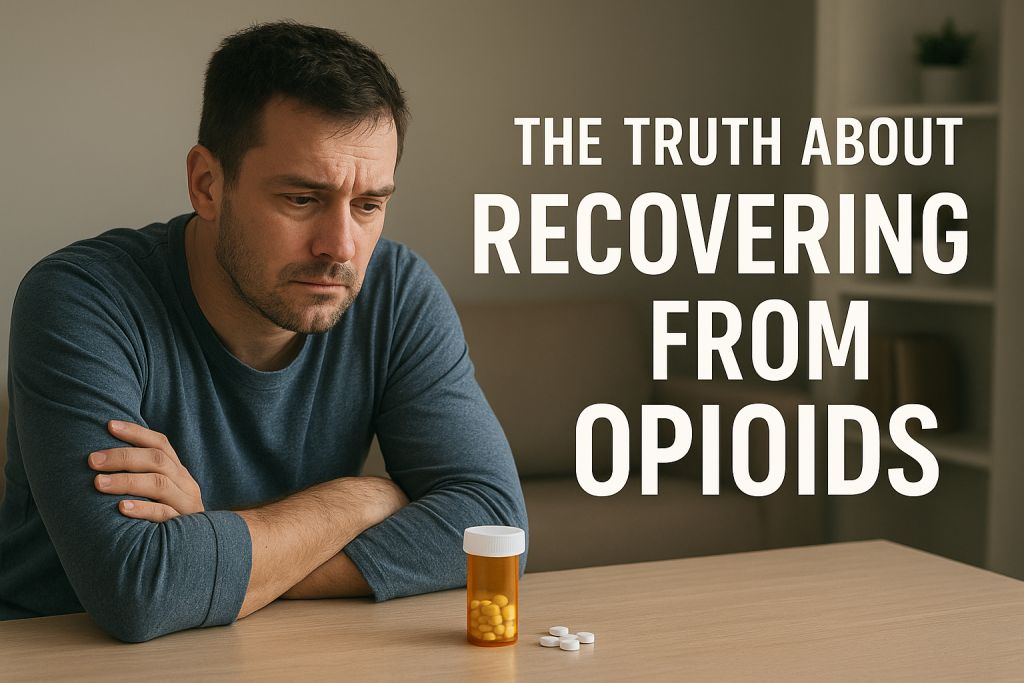
Choosing recovery from opioid addiction can be both courageous and overwhelming. If you are considering treatment for the first time, you may have questions about withdrawal, rapid opiate detox, medical supervision, and what happens after detox is complete. Understanding the process can make treatment feel less uncertain and help you make informed decisions about your care. Rapid opiate detox is a specialized medical approach that may help appropriate patients move through opioid detoxification under professional supervision. However, detox is only the beginning. Lasting recovery also requires personalized addiction treatment, mental health support, healthy coping strategies, and a thoughtful aftercare plan.
Understanding Opioid Dependence
Opioids can create powerful physical and psychological dependence. Over time, the body may adapt to the presence of opioids, making it difficult to stop using them without experiencing withdrawal symptoms.
For someone who has never entered treatment before, this can feel discouraging. You may want to stop using opioids but worry about what will happen when you do.
That is why professional support can make such an important difference.
Why Withdrawal Can Be Difficult
Opioid withdrawal may involve symptoms such as muscle aches, sweating, nausea, diarrhea, restlessness, anxiety, sleep difficulties, and strong cravings. The experience varies from person to person, depending on factors such as the substance used, duration of use, amount used, overall health, and other medications or substances involved.
Trying to manage opioid withdrawal alone can be challenging. A professional evaluation provides an opportunity to discuss your history and determine which treatment options may be appropriate.
What Is Rapid Opiate Detox?
Rapid opiate detox is a specialized procedure intended to accelerate opioid detoxification. It is performed in a medical setting with professional monitoring and the use of medications and sedation as part of the procedure.
The exact approach should always be determined by qualified medical professionals. Rapid detox is not appropriate for everyone, and a thorough evaluation is an important first step.
Detox Is Not the Same as Recovery
One of the most important things for a new patient to understand is that detox does not treat every aspect of addiction.
Detox focuses primarily on physical dependence and withdrawal. Addiction recovery is broader. It may involve counseling, behavioral treatment, mental health care, family support, relapse prevention, lifestyle changes, and ongoing recovery services.
In other words, completing detox does not mean treatment is finished. It means you have reached an important starting point.
What Happens Before Rapid Opiate Detox?
Preparation begins with an assessment of your individual needs.
Medical Assessment
Your treatment team may review your opioid use, medical history, current medications, mental health concerns, and other relevant health information.
Be honest during this process. Information that may seem insignificant can be important when professionals are determining whether a particular detox approach is appropriate.
Discuss Your Treatment Goals
Your goals matter. Some people want to regain stability at home. Others need a structured treatment environment. Some may need additional mental health services or support for trauma, anxiety, depression, or other concerns.
A personalized discussion helps your care team understand what you hope to accomplish through treatment.
What Can You Expect During Rapid Opiate Detox?
Rapid detox involves medical supervision throughout the procedure. Depending on the individual's treatment plan, medications may be used to help manage opioid withdrawal while the patient is under sedation.
Medical Monitoring Is Essential
Because detox can affect the body in significant ways, professional monitoring is an important part of appropriate care.
Patients should never attempt to reproduce a rapid detox procedure independently or use medications without medical direction. Detox protocols require clinical judgment, appropriate screening, and professional oversight.
Recovery After the Procedure
After the procedure, your body still needs time to adjust. You may experience tiredness or other temporary physical or emotional changes.
Your healthcare team can provide individualized guidance about what to expect and what steps should follow.
Why Aftercare Matters
The period after detox is one of the most important parts of the recovery journey. Without continued support, returning to familiar environments, stressors, or patterns of substance use can create challenges.
Aftercare provides ongoing structure and accountability.
Addiction Counseling
Counseling can help you identify the situations, emotions, and thought patterns associated with opioid use. It can also teach practical coping skills for cravings, stress, relationships, and difficult emotions.
Over time, these skills can become an important foundation for maintaining recovery.
Relapse Prevention
Relapse prevention is not about assuming that someone will fail. It is about preparing for difficult situations before they occur.
A strong plan may identify personal triggers, early warning signs, healthy responses to cravings, supportive people to contact, and steps to take when additional help is needed.
Choosing Between Inpatient and Outpatient Care
After detox, the appropriate level of treatment depends on your circumstances.
Inpatient Treatment
Inpatient care provides a structured setting where patients can focus on recovery while receiving ongoing professional support. This can be helpful for individuals who need greater stability, structure, or distance from environments associated with substance use.
A structured setting can also provide more opportunities to participate in counseling and other recovery activities.
Outpatient Treatment
Outpatient treatment allows patients to receive professional care while continuing to live at home. This may provide greater flexibility for people who have responsibilities involving employment, education, or family.
The right choice should be based on an individualized clinical assessment rather than a one size fits all approach.
Treating Mental Health Alongside Addiction
Opioid addiction and mental health concerns can overlap. Anxiety, depression, trauma, chronic stress, and other emotional difficulties may influence substance use and recovery.
Why Dual Support Is Important
If underlying mental health concerns are ignored, recovery can become more difficult. Treatment that addresses both addiction and emotional well being can help patients develop healthier ways to manage distress.
Mental health counseling can provide space to explore difficult experiences, recognize patterns, and develop practical coping skills.
At Rapid Drug Detox, addiction recovery and mental health support can be considered as parts of a broader, individualized approach to care.
Supporting Recovery Through Holistic Care
Recovery involves more than stopping opioid use. It also involves rebuilding daily routines, confidence, relationships, and physical and emotional well being.
Whole Person Wellness
Holistic approaches can complement traditional addiction treatment by encouraging healthy routines and practices that support overall wellness.
Depending on the individual's needs and treatment plan, this may include attention to stress management, emotional balance, healthy habits, mindfulness, and personal wellness.
The purpose is to help patients build a life that supports recovery rather than simply focusing on avoiding substances.
Faith Based Support and Personal Meaning
For some people, spirituality and faith are meaningful parts of healing.
Finding Hope and Purpose
Faith based recovery support can provide encouragement, connection, hope, and a renewed sense of purpose for individuals who want spirituality included in their treatment experience.
This type of support should remain consistent with the patient's personal beliefs and goals. When integrated appropriately, spiritual care can become one component of a comprehensive recovery plan.
How to Prepare for Aftercare
Thinking about aftercare before detox can make the transition easier.
Build a Support System
Identify people who genuinely support your recovery. This may include family members, trusted friends, counselors, or other supportive individuals.
You do not have to disclose everything to everyone. However, having reliable people you can contact during difficult moments can make recovery feel less isolating.
Plan for Triggers
Consider the places, people, emotions, and situations that may increase cravings. Then discuss strategies for handling them with your treatment team.
Small changes can make a meaningful difference. Avoiding high risk situations, establishing healthy routines, and staying connected to treatment can all support long term recovery.
Follow Your Continuing Care Plan
Aftercare works best when you remain engaged. Attend recommended appointments, participate in counseling, take prescribed medications as directed, and communicate openly with your providers about challenges.
If something is not working, speak up. Treatment plans can be adjusted as your needs change.
Take Your First Step Toward Recovery
For someone new to opioid recovery, rapid opiate detox can seem like a complicated process. The reality is that you do not need to understand every part of treatment before reaching out. A qualified treatment professional can help you understand your options, evaluate your needs, and determine an appropriate path forward.
Rapid Drug Detox takes an individualized approach that can incorporate addiction recovery services, mental health treatment, inpatient and outpatient care, holistic support, and faith based approaches. Detox can address an important physical part of opioid dependence, but aftercare is what helps turn that first step into a sustainable recovery journey.
If opioid use is affecting your health, relationships, work, or sense of control, consider reaching out for professional guidance. Asking for help is not a sign of weakness. It is a practical decision to protect your future.
Recovery does not require you to have everything figured out today. It starts with one honest conversation, one informed decision, and one step toward a healthier life.
 Deciding to seek help for opioid addiction is a major step, especially when you are considering treatment for the first time. You may be worried about withdrawal, uncertain about what rapid opiate detox involves, or wondering what happens after detox is complete. Those concerns are understandable. The more you know before treatment, the easier it can be to approach recovery with realistic expectations and confidence. Rapid opiate detox is a medically supervised approach that may help eligible patients address physical opioid dependence while beginning a broader recovery plan. At Rapid Drug Detox, the approach emphasizes individualized care, medical supervision, mental health support, and continued treatment rather than viewing detox as the entire recovery process.


