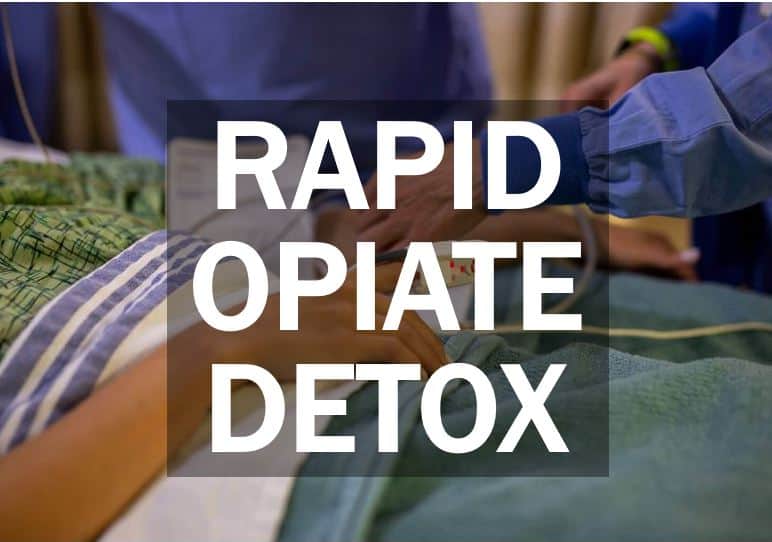

Opiate addiction is a serious and growing problem, affecting millions of individuals worldwide. Many people struggling with addiction seek ways to break free from their dependency but fear the painful withdrawal symptoms associated with traditional detox methods. One option that has gained attention is rapid opiate detox. This article provides a beginner’s guide to understanding what rapid opiate detox is, how it works, and whether it might be a suitable option for you or a loved one.
What Is Rapid Opiate Detox?
Rapid opiate detox is a medical procedure designed to help individuals quickly and efficiently rid their bodies of opioids while under sedation. Unlike traditional detox, which can take days or even weeks and involve intense withdrawal symptoms, rapid detox aims to accelerate the process, reducing the discomfort associated with withdrawal.
During the procedure, patients are placed under anesthesia while medications are administered to flush opiates from the system. The goal is to eliminate the worst withdrawal symptoms while the patient is unconscious. When they wake up, they are often past the most severe withdrawal phase, though ongoing treatment and support are still necessary.
How Does It Work?
Rapid opiate detox typically takes place in a medical facility under the supervision of trained professionals. The process usually involves the following steps:
- Pre-Assessment: Before the procedure, doctors conduct a thorough medical evaluation to determine whether the patient is a good candidate for rapid detox.
- Sedation: The patient is placed under general anesthesia or heavy sedation.
- Medication Administration: Medications such as naloxone or naltrexone are used to rapidly remove opioids from the brain’s receptors.
- Monitoring: The patient is closely monitored throughout the procedure to ensure safety.
- Recovery and Aftercare: After waking up, the patient is monitored for any lingering withdrawal symptoms and provided with a plan for follow-up care and long-term recovery.
Pros and Cons of Rapid Opiate Detox
Before considering rapid detox, it’s important to weigh the potential benefits and drawbacks.
Pros:
- Quicker Detox Process: Patients bypass the prolonged withdrawal period associated with traditional detox.
- Reduced Discomfort: Since the patient is sedated, they do not experience the worst withdrawal symptoms.
- Medically Supervised: The process is conducted in a medical setting, reducing the risks associated with at-home detox attempts.
Cons:
- Costly: Rapid detox can be expensive, and insurance coverage may be limited.
- Potential Risks: There are medical risks, including heart complications, respiratory issues, and dehydration.
- Not a Standalone Solution: Detox alone does not guarantee long-term recovery. Ongoing therapy and support are essential.
Is Rapid Opiate Detox Right for You?
Rapid detox is not suitable for everyone. Individuals with certain health conditions may not be eligible, and those without a solid aftercare plan may be at risk of relapse. If you or a loved one are considering this treatment, it’s crucial to consult with a medical professional to determine the best course of action.
Final Thoughts
While rapid opiate detox offers a faster approach to overcoming opioid dependence, it is not a cure for addiction. True recovery requires a comprehensive treatment plan, including counseling, behavioral therapy, and long-term support. If you are considering rapid detox, make sure to do thorough research and speak with medical experts to ensure you are making the best decision for your health and recovery journey.