
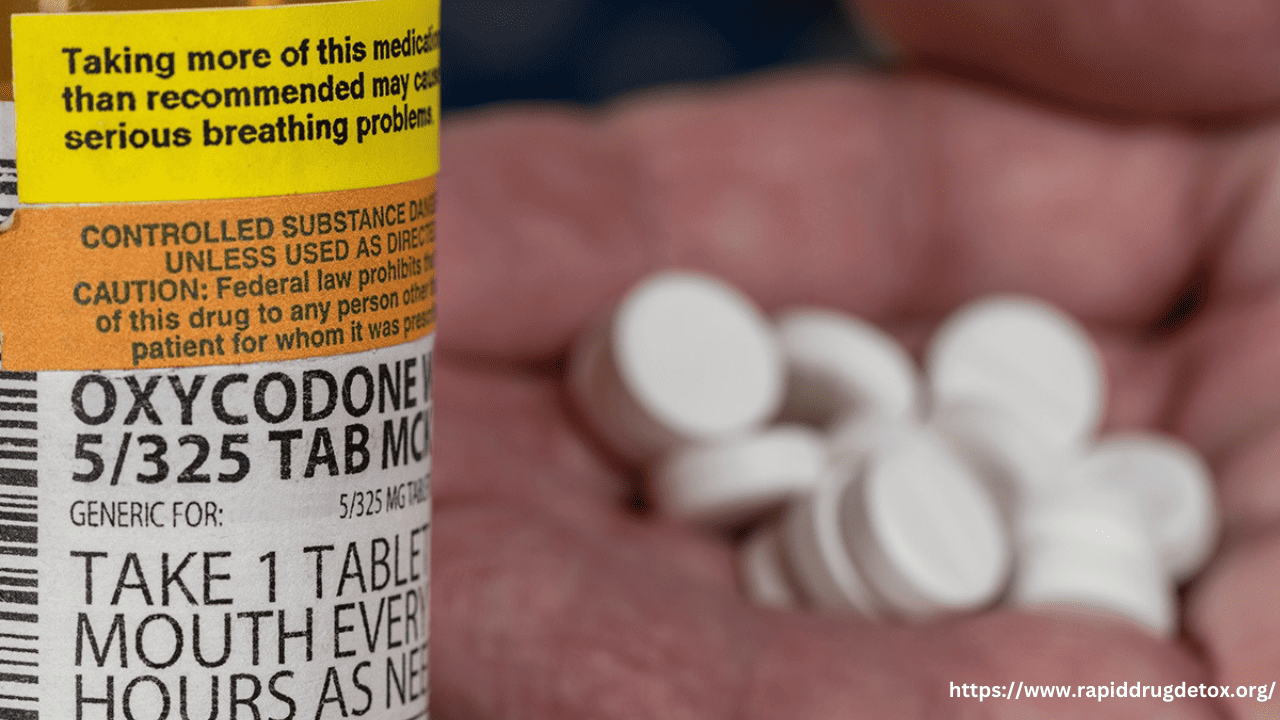
Opiate addiction is a significant challenge for those struggling with dependency. Traditional detox methods can take days or even weeks, often involving painful withdrawal symptoms. Rapid opiate detox has emerged as an alternative that accelerates the detoxification process while minimizing discomfort. This article provides a step-by-step overview of how rapid opiate detox works, from initial assessment to post-treatment care.
Step 1: Pre-Treatment Evaluation
Before undergoing rapid opiate detox, patients must undergo a comprehensive medical evaluation. This assessment helps determine if the individual is a suitable candidate for the procedure. Doctors will review the patient’s medical history, substance use patterns, and overall health to identify any potential risks or contraindications.
Step 2: Admission to a Medical Facility
Once deemed eligible, the patient is admitted to a specialized medical facility equipped to handle rapid detox procedures. Unlike traditional detox programs, which may occur in outpatient settings, rapid detox is performed in a controlled medical environment to ensure patient safety.
Step 3: Sedation and Anesthesia
During the procedure, the patient is placed under general anesthesia or heavy sedation. This allows the individual to remain unconscious while the body undergoes withdrawal, eliminating the experience of severe withdrawal symptoms. Medical staff closely monitor the patient’s vital signs throughout the process to ensure safety.
Step 4: Administration of Detox Medications
Once sedated, the patient is given medications such as naloxone or naltrexone. These drugs work by rapidly blocking opioid receptors in the brain, forcing the body to detoxify at an accelerated rate. The process typically lasts between four to six hours, depending on the patient’s level of dependency and response to treatment.
Step 5: Monitoring and Recovery
After the detoxification process is complete, the patient is gradually brought out of anesthesia. At this stage, they are monitored for any potential side effects or complications, such as dehydration, changes in blood pressure, or respiratory distress. Recovery can take anywhere from a few hours to a couple of days, depending on the individual’s condition.
Step 6: Post-Detox Observation
Once stabilized, the patient remains under medical supervision for at least 24 to 48 hours. Some individuals may experience lingering withdrawal symptoms such as fatigue, nausea, or mild discomfort. Medical professionals provide medications and support to help manage these symptoms and ensure a smooth transition to the next phase of treatment.
Step 7: Aftercare and Long-Term Recovery
Rapid opiate detox is not a standalone cure for addiction. After completing detox, patients are strongly encouraged to engage in ongoing treatment, such as counseling, behavioral therapy, and support groups. A comprehensive aftercare plan helps address the psychological and behavioral aspects of addiction, reducing the risk of relapse.
Conclusion
Rapid opiate detox offers a faster alternative to traditional detoxification, allowing patients to bypass the most severe withdrawal symptoms. However, it is crucial to approach this method with caution, as it carries risks and should only be performed under medical supervision. While it can be an effective first step in recovery, long-term success depends on continued therapy and support. Anyone considering rapid detox should consult a healthcare professional to determine the best course of action for their individual needs.